
- Use three checks: ribs, waist from above, and tummy from the side.
- On the 9-point body condition scale, 4 to 5 is ideal.
- Each point above 5 means roughly 10% over ideal weight.
- Lose weight slowly with measured portions, and involve your vet.
On this page
The three checks
Run your flat hands along the chest. At a healthy weight you can feel each rib easily under a thin layer of fat, like the back of your hand.
Stand over your pet. There should be a visible waist behind the ribs, narrower than the chest.
The belly should tuck up from the chest towards the back legs. In cats, a small loose fat pad under the belly is normal.
The body condition scale
| Score | What you see and feel |
|---|---|
| 1 to 3Underweight | Ribs, spine and hip bones easy to see; little or no fat; obvious waist. |
| 4 to 5Ideal | Ribs easy to feel with a slight fat cover; waist visible from above; belly tucked up. |
| 6 to 7Overweight | Ribs felt only with some pressure; waist hard to see; little or no tuck. |
| 8 to 9Obese | Ribs hard to feel under heavy fat; no waist; belly may round out or hang; fat over the back and base of the tail. |
From score to target weight
A widely used rule: each point above 5 means about 10% more than the ideal weight. It is an estimate, and at scores of 8 or 9 it tends to underestimate the excess, but it is a useful way to start a conversation with your vet.
Losing weight safely
- Go slowly. Aim for about 1% to 2% of body weight a week for dogs, and no more than about 1% a week for cats.
- Feed for the target weight. Work out the calories for the ideal weight, then weigh every meal.
- Prefer a light recipe to a tiny portion. Cutting a normal food very hard can also cut protein, vitamins and minerals. Light and sterilised recipes are made to be fed in full portions. For pets with a lot to lose (a score of 8 or 9), your vet may recommend a veterinary weight-loss diet.
- Use wet food for volume. It fills the bowl and the stomach for fewer calories.
- Move more. Longer walks for dogs; play sessions and climbing for cats.
- Weigh every two weeks and adjust the portion by about 10% if weight loss stalls.
Why it is worth it
Extra weight is linked to arthritis, diabetes (especially in cats), breathing problems and a shorter life. In a lifelong study of Labrador Retrievers, dogs fed to stay lean lived a median of almost two years longer than their littermates fed more (Kealy and colleagues, 2002). Few things you can do for a pet have that much impact.
Gosbi foods for weight control
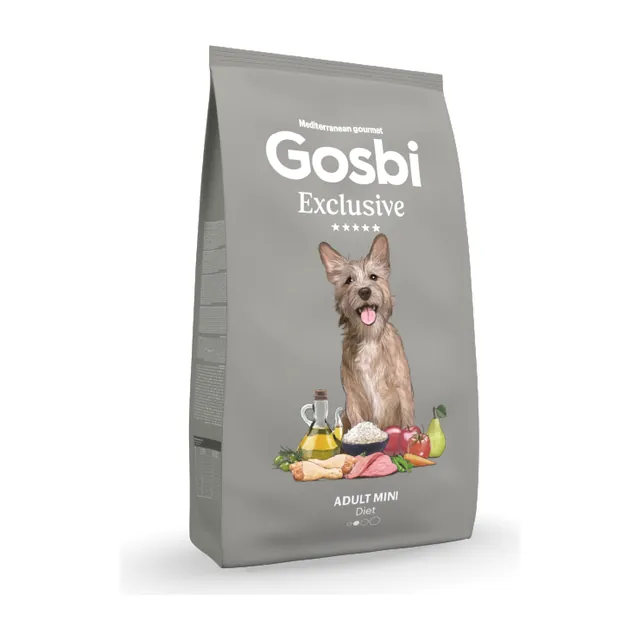 Gosbi ExclusiveDiet MiniFrom $20.00$18.00 on subscription
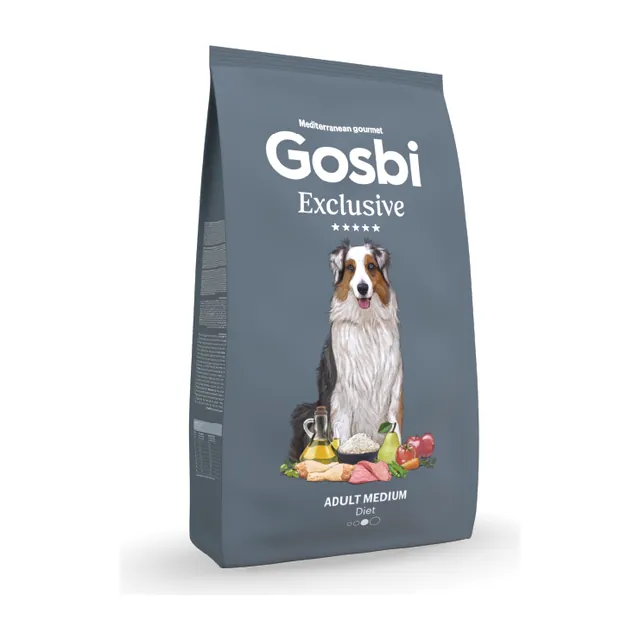 Gosbi ExclusiveDiet MediumFrom $25.00$22.50 on subscription
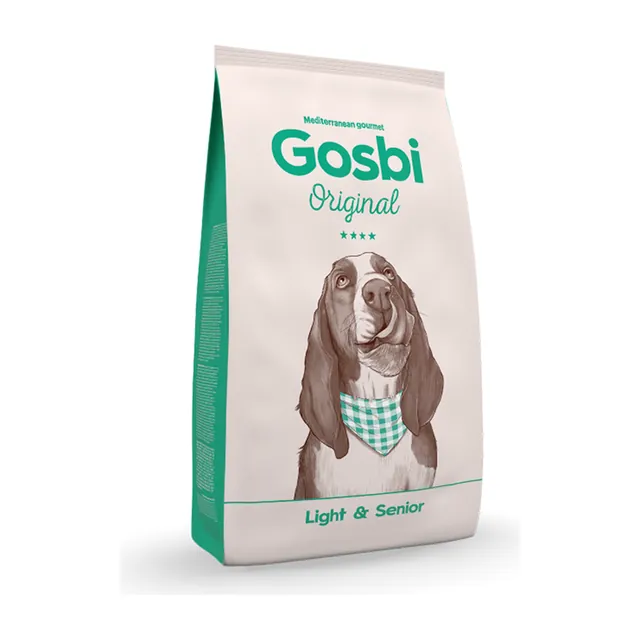 Gosbi OriginalLight & SeniorFrom $20.00$18.00 on subscription
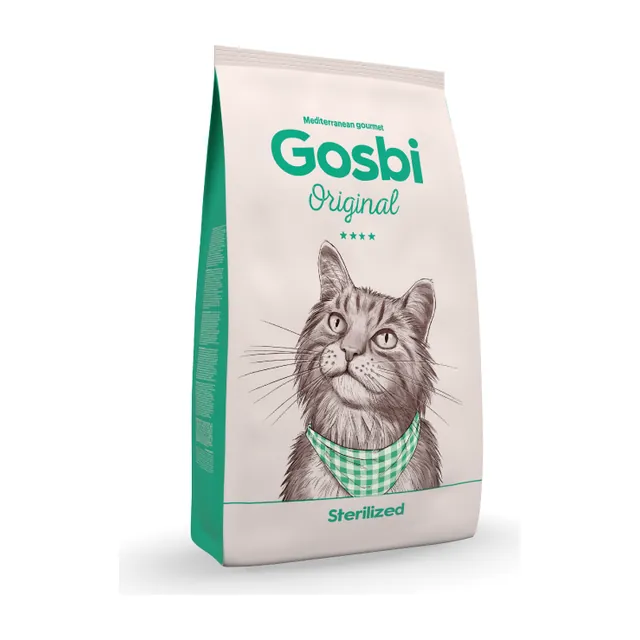 Gosbi OriginalSterilizedFrom $9.00$8.10 on subscription
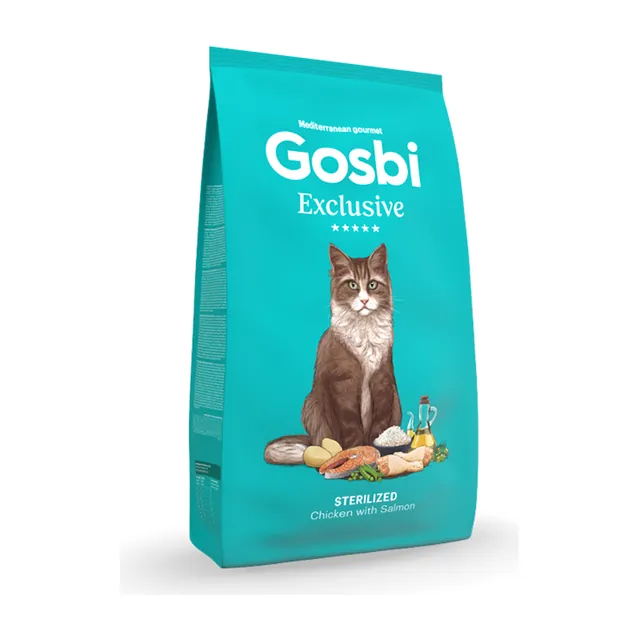 Gosbi ExclusiveChicken & Salmon SterilizedFrom $5.00$4.50 on subscription
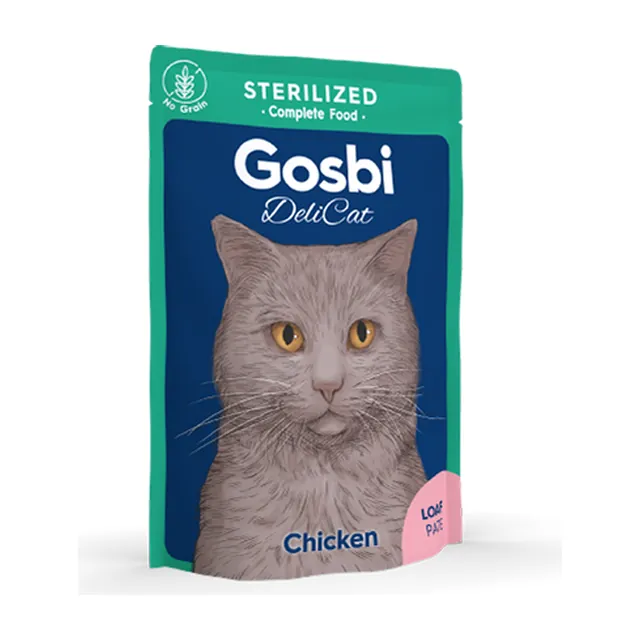 Gosbi DelicatSterilized Chicken (pouch)From $1.75$1.57 on subscription
Questions
My dog is just big-boned. Does that change the score?
No. Body condition is about fat cover, not frame size, which is why the score works for any breed.
How often should I weigh my pet?
Every two weeks during weight loss, and once a month otherwise. Use the same scales each time.
Can I just cut the portion in half?
Not with a regular food. You risk cutting essential nutrients too. Use a light recipe, reduce gradually, and ask your vet for a plan.
This guide is general information for healthy pets, not veterinary advice. If your pet has a health condition, is pregnant, or is losing or gaining weight unexpectedly, talk to your vet.